

Fresh eyes on old instruments
The key to finding anything new is to put in the time to look.


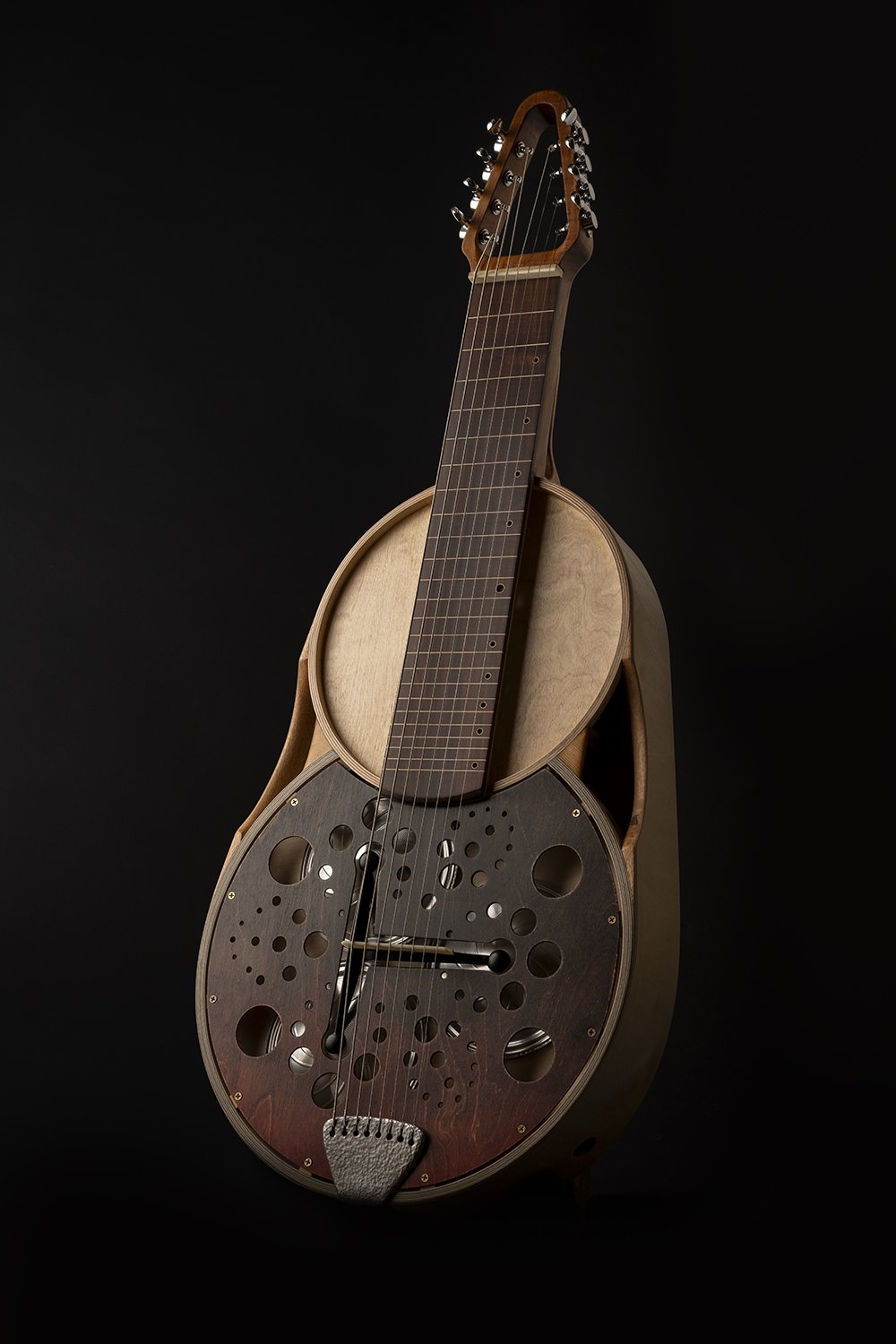
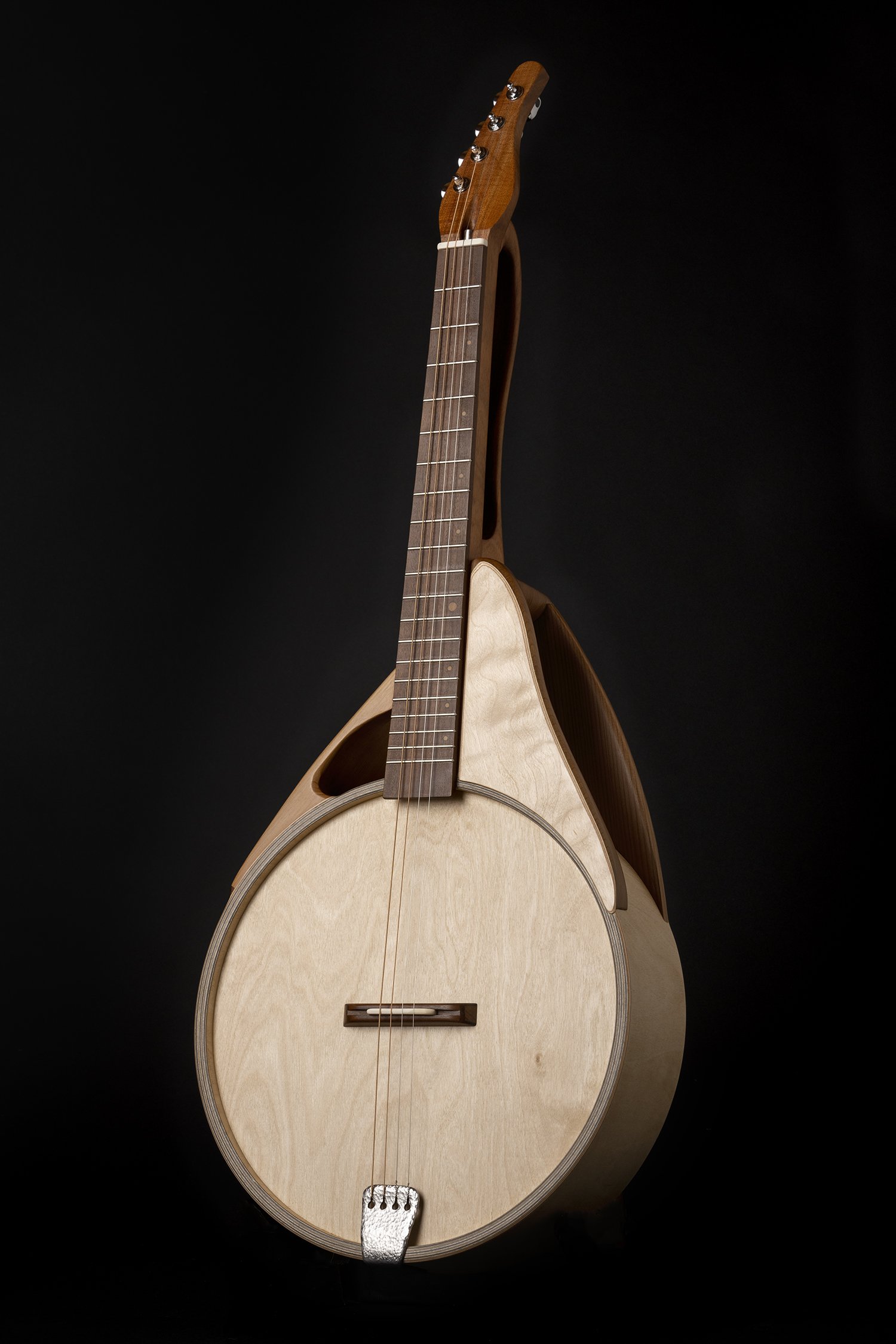


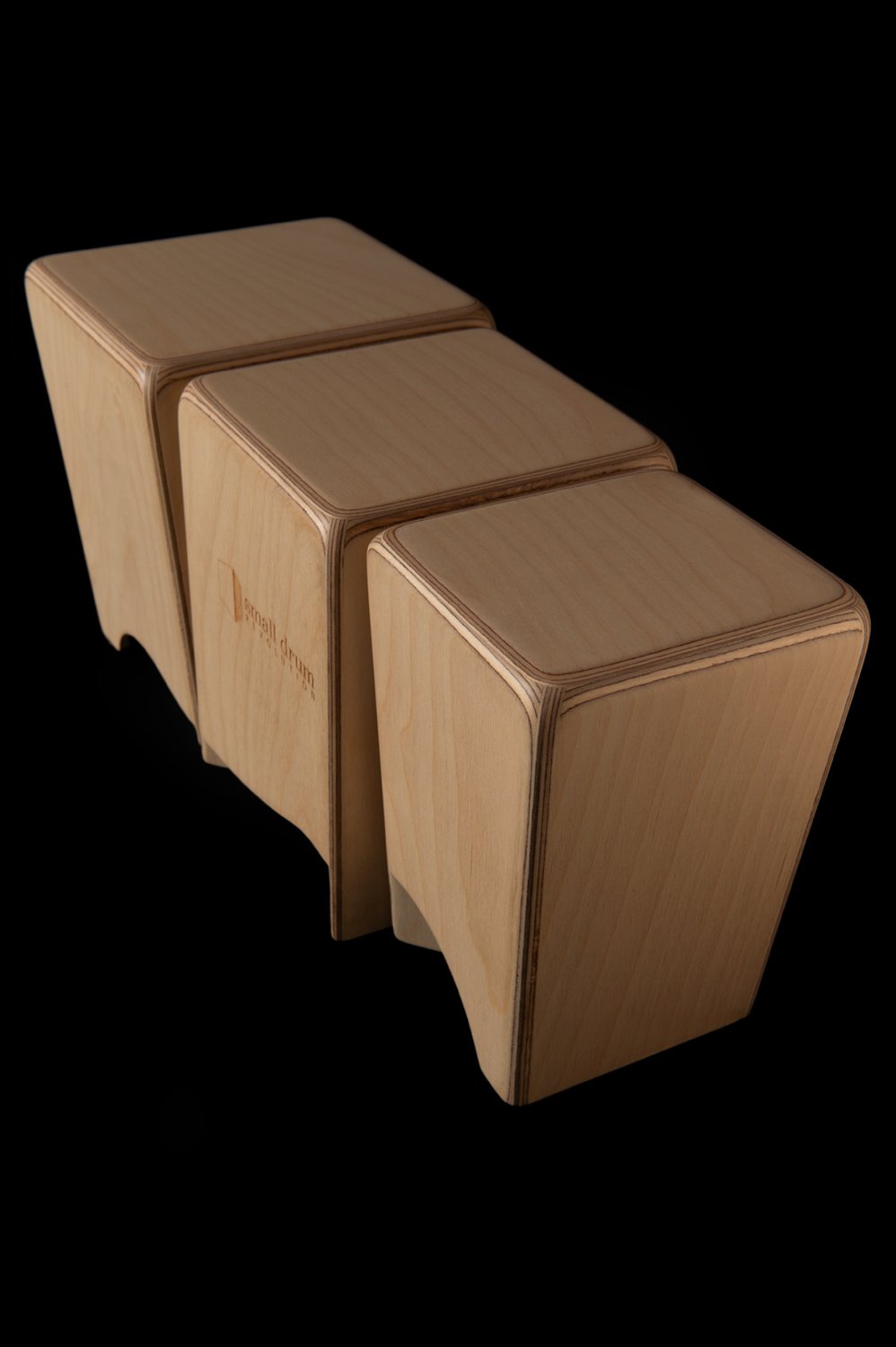

Ruminate on this
The first aeroplane was built using the most appropriate materials available at the time. As new materials were developed, so did the scope and potential of flight. This created a progression that led all the way to spacecraft.
As beautiful and functional as they are, stringed instruments are still intrinsically linked to their initial development using solid wood. The designs arose from the process of problem-solving when solid timber was the optimum material choice. I am keen to see what else is possible when we step away from the truths of traditional instrument making as our starting point and cast our imagination into the possibilities of new resolutions to old problems.
Imagine if today we were given the brief to start from scratch and reimagine stringed instruments. They would need to fulfil all the objectives of tone, projection and playability but without the necessity of referencing traditional solutions or material loyalty.
What would be possible?
My Hypothesis
There is the potential to design a sonic environment that is a super sound-conductor in acoustic instruments. I want to investigate the separation of the roles of structure, to facilitate non-structural soundboards, whilst looking at the influence that the form of the instrument has on colouring the sound.
Could the environment within the instrument carry an equal or greater influence over the quality and projection of sound from trad designs?
Could the right structure and soundboard configuration be more influential on the output than of the instrument than the material set used to make it?
I like to believe it is possible to extend the influence of string energy, within an hyper-efficient sound chamber. Perhaps the sound could then be amplified as it exits through a passive amplifier.
This design could then be scaled up or down, varying neck and bracing options to modify the instrument to suit playing styles and tonality. They could potentially be bowed or plucked, fretted or fretless.
Looking forward
Tom Waits, Chris Cornel and Agnes Obel are not interchangeable as singers but each brings a unique feeling to their music through their tonal differences. They all sing/sang in tune and have an emotive, beautiful texture to their voices. With this in mind, I wouldn’t expect my instruments to have the precise timbre of rosewood and spruce but this idea isn’t hinged in mimicry, it’s about trying to extend into new possibilities. What genres could these new instruments inspire? How will they sound? How will they perform? What level of ergonomics can be achieved? How durable can they be if made from less delicate materials?